Central Heating
Powerflushing
Why do I need a powerflush?
A powerflush is a chemical solution that cleans your central heating system and removes any dirt and debris from the inside of your pipes, making your heating system work more efficiently, and keeping your boiler from breaking down.
Powerflushing is an essential and thorough way to maintain and improve your central heating system’s health and efficiency, helping to also reduce your energy useage, whilst keeping your home nice and warm.
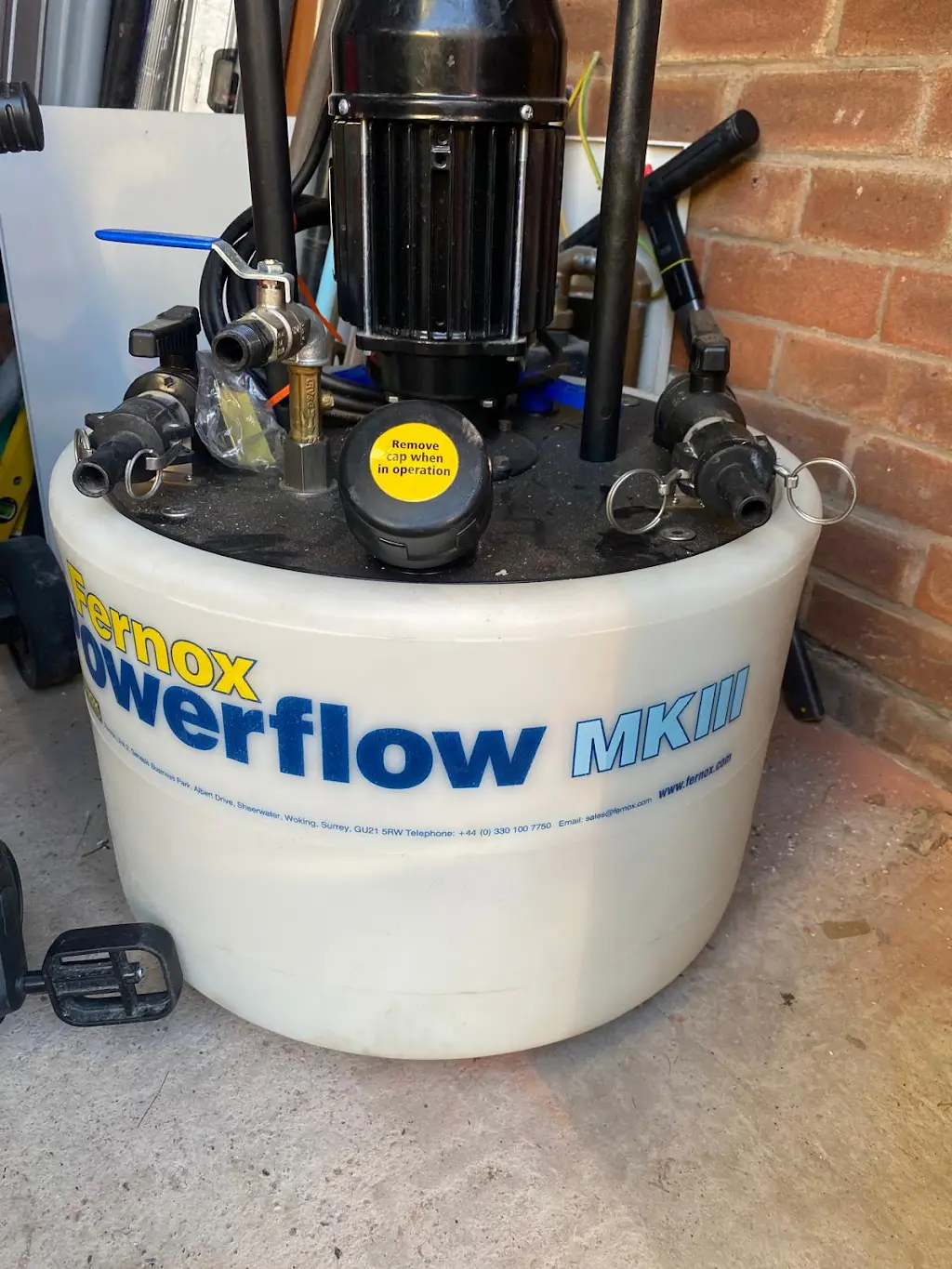
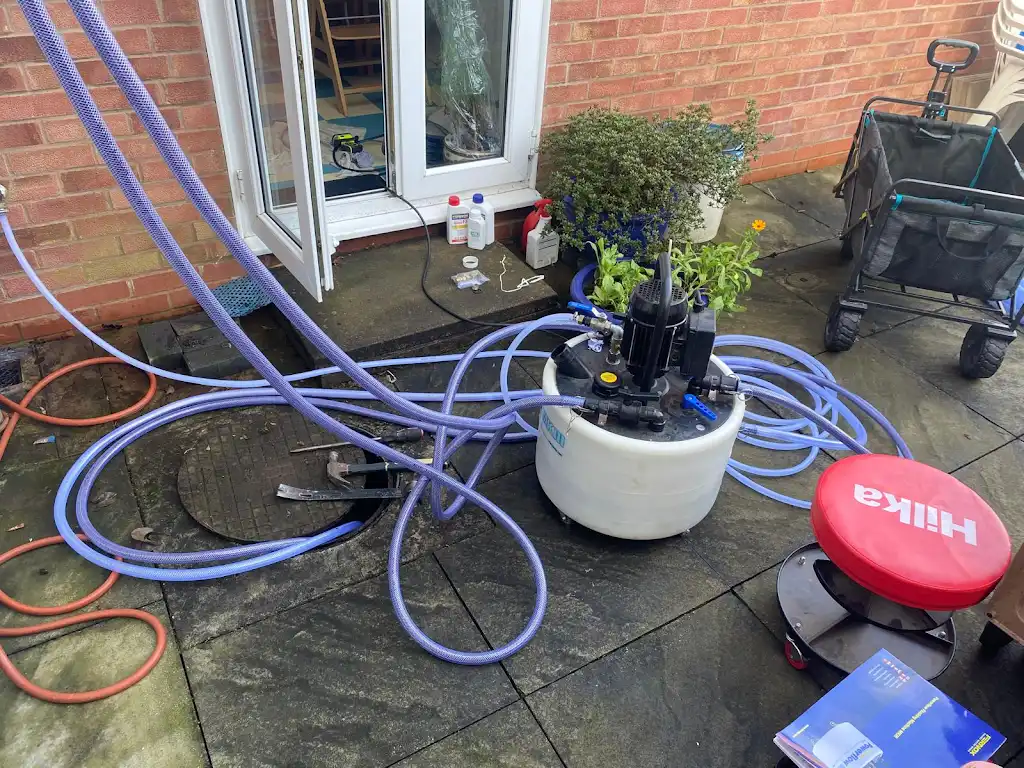
I use a Fernox Powerflow MK3 machine with a three-step chemical process to thoroughly clean out your pipes, radiators and overall heating system, replacing dirty water and sludge, with clean fresh water.
Having a powerflush helps deal with heating problems that you can’t always see.
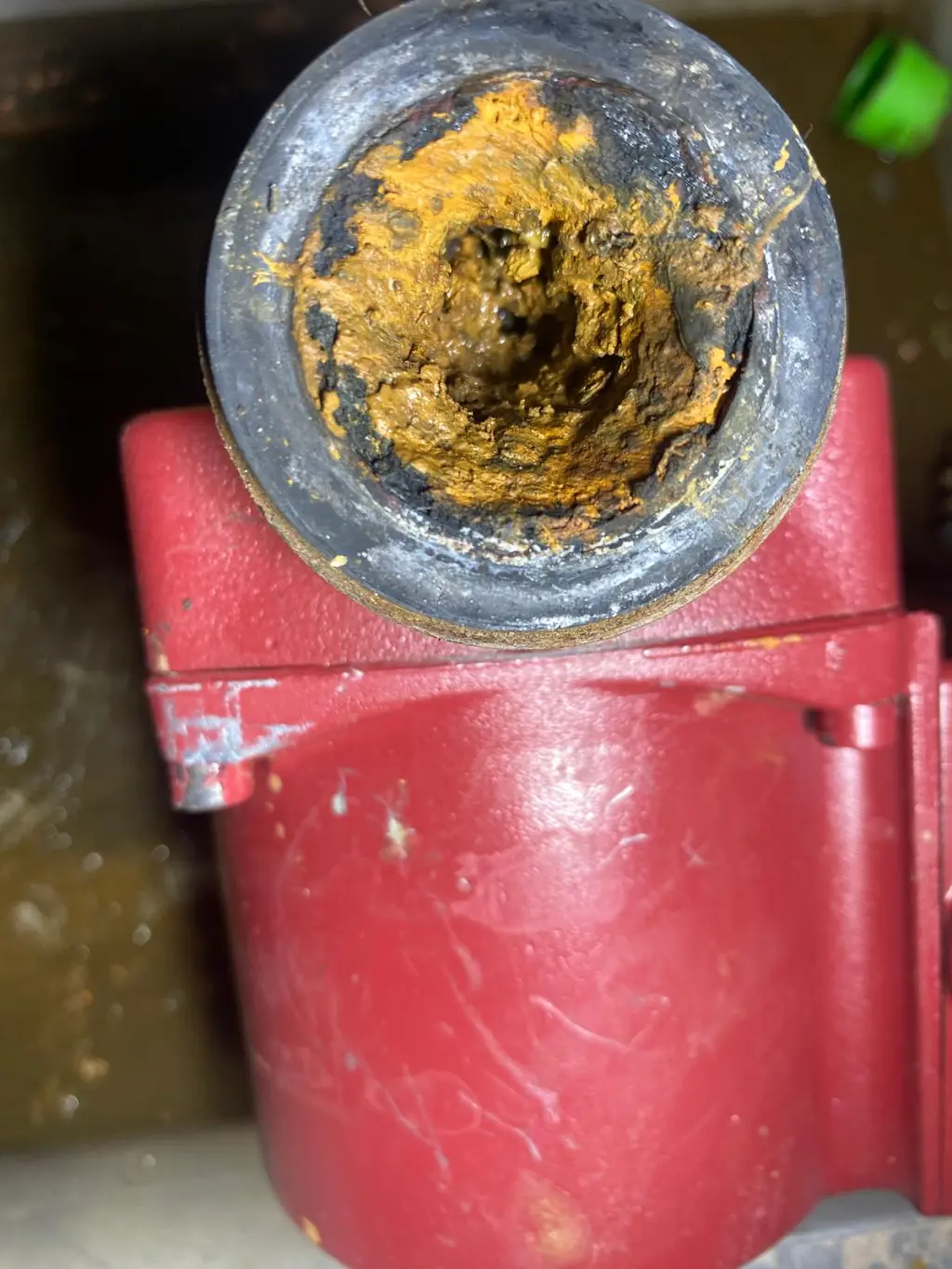
Rust, limescale and sludge can lead to blocked pipes, corrosion and leaks. Dirty water in your heating system and radiators will cause heat distribution problems and reduces efficiency.
Sludge build-up will often cause cold spots in your radiators. This means some rooms in your house may not be as warm as they should be and will cost you more to heat.
87% of boiler breakdowns are due to dirty water in your heating system. Sludge and debris will cause havoc with the boiler pump and it’s other moving components and parts.
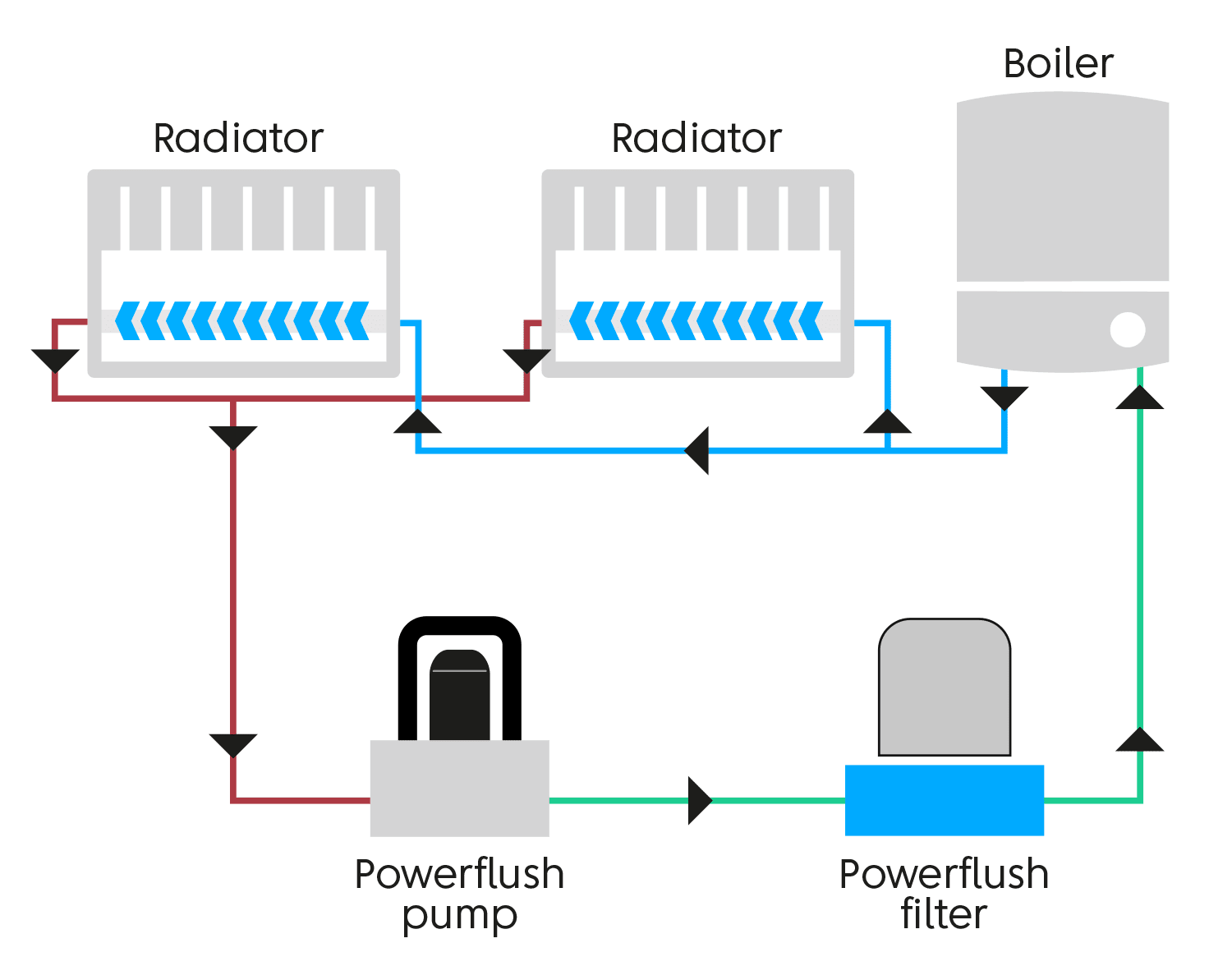
In short a powerflush helps prolong the life of your heating system, lower your bills and reducing the risk of a boiler breakdown. After a powerflush, your home should heat up faster and therefore waste less energy.
In some cases however, a powerflush will not resolve the system problem, and in the most severe cases, replacing the radiator or pipework is the only solution.
How do I know if I should have a powerflush?
- Slow heating: Your radiators take longer than normal to heat up.
- Cold spots: Cold patches on your radiators, especially at the bottom.
- Leaks: You notice stains or leaks under valves.
- Noisy boiler: Your boiler is making strange noises or rattling.
- Frequent breakdowns: Your boiler is breaking down regularly.
- Dirty water: The water from your radiators is discolored or dirty.
- High energy bills: You’re paying more than usual for energy.
Average time: 1 day
Cost: Up to 7 radiators £580 + VAT
Per additional radiator £45 + VAT